When you think of old-school printing, one of the first machines that come to mind is the dot matrix printer. Even though newer technologies like inkjet and laser printers have taken the spotlight, dot matrix printers are still used in specific industries today. But you might wonder: how do dot matrix printers work? Let’s break it down in simple terms.
🖨️ What is a Dot Matrix Printer?
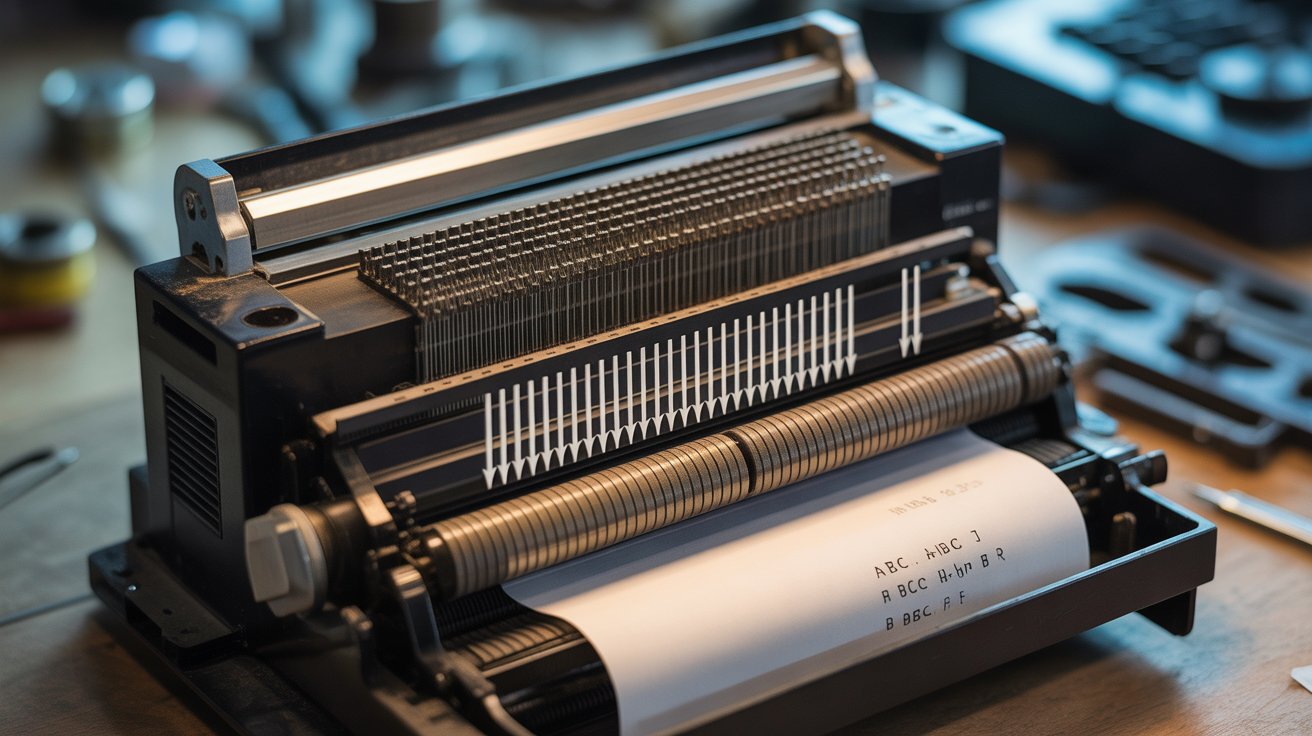
A dot matrix printer is an impact printer that creates text and images by physically striking pins against an ink ribbon to leave marks on paper. Unlike inkjet or laser printers, it doesn’t spray ink or use toner—it uses tiny metal pins arranged in a print head to create patterns of dots.
👉 Think of it like a typewriter, but instead of letters on a metal plate, it uses a matrix of dots to form characters.
Key Features:
- Prints using pins and an ink ribbon.
- Produces text and graphics as dot patterns.
- Works on continuous paper or multi-part forms.
⚙️ How Do Dot Matrix Printers Work?
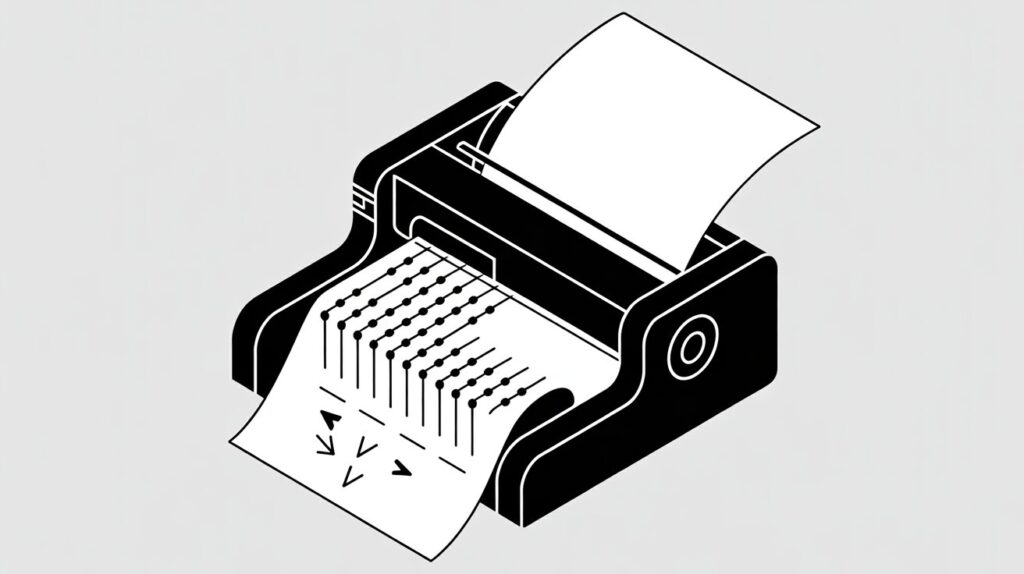
To answer how do dot matrix printers work, let’s go step by step.
1. The Print Head and Pins
- The printhead is made up of 9, 18, or 24 pins positioned in a vertical line.
- Each pin can move forward to strike the ribbon and press dots onto the paper.
2. The Ink Ribbon
- An ink-soaked ribbon sits between the pins and the paper.
- When the pins strike, they push ink from the ribbon onto the paper in small dots.
3. Forming Characters and Images
- By combining different dots, the printer can form letters, numbers, or even graphics.
- The head moves horizontally across the paper, printing one line at a time.
4. Paper Movement
- Continuous feed paper (with perforated edges) moves through the printer.
- This makes dot matrix printers ideal for printing multi-page forms, invoices, and receipts.
👉 In short, the process is: Pins hit ribbon → Ink transfers dots → Dots form letters or graphics.
📜 Why Dot Matrix Printers Are Important
Even though dot matrix printers may sound outdated, they remain relevant in industries where durability and cost savings matter more than high-resolution graphics.
Examples of Use:
- Banks (passbook printing)
- Retail (invoices and receipts)
- Industrial settings (multi-part forms, labels)
- Government offices (official records)
🕰️ History and Evolution of Dot Matrix Printers
- 1964 – The first dot matrix printer was introduced by IBM.
- 1970s–1980s – Widely used in offices before inkjet and laser printers became popular.
- Today – Still found in niche industries that require carbon copy printing.
👉 While their popularity has declined, dot matrix printers paved the way for modern printing technologies.
✅ Advantages of Dot Matrix Printers
- Low printing cost – Ink ribbons are cheap compared to toner or cartridges.
- Durability – Able to operate in hot or dusty conditions.
- Multi-copy printing – Can print on carbon paper to create multiple copies at once.
- Continuous printing – Works well with long sheets and bulk printing.
❌ Disadvantages of Dot Matrix Printers
- Noisy – The pin striking makes a loud sound.
- Low print quality – Not suitable for high-resolution graphics or photos.
- Slower speed – Compared to modern printers.
- Limited fonts/styles – Mostly text-based printing.
📌 Comparison: Dot Matrix vs. Modern Printers
| Feature | Dot Matrix Printer 🖨️ | Inkjet/Laser Printer 🖨️ |
|---|---|---|
| Printing Method | Pins strike ribbon | Ink spray / Toner laser |
| Print Quality | Low (draft-like) | High resolution |
| Noise Level | Loud | Quiet |
| Cost per Page | Low | Moderate/High |
| Best Use Case | Invoices, forms | Photos, documents |
🌟 Real-Life Examples
- Bank Passbooks → Dot matrix printers are still used because they can print directly onto passbooks with multiple layers.
- Factory Receipts → They handle heat and dust better than inkjet printers.
- Government Forms → Used for carbon copies where multiple copies are needed instantly.
📝 Common Mistakes to Avoid
- Using the wrong paper → Dot matrix printers perform best with continuous feed paper.
- Not replacing ribbons → Faded prints are a sign of worn-out ribbons.
- Improper alignment → If pins are not aligned, text may look distorted.
🤔 FAQs About Dot Matrix Printers
1. How do dot matrix printers work compared to inkjet printers?
Dot matrix uses pins and ribbons, while inkjet sprays liquid ink. Inkjet offers better quality, but dot matrix is cheaper for bulk tasks.
2. Why are dot matrix printers still used today?
Because they can print multiple copies at once and are cost-efficient in environments like banks and factories.
3. How long does a dot matrix printer last?
With proper maintenance, a dot matrix printer can last 10 years or more, making it very durable.
🎯 Conclusion
So, how do dot matrix printers work? They press pins onto an ink ribbon to create characters and images using dot patterns. While they may seem old-fashioned compared to modern printers, they are still valuable in industries where durability, low cost, and multi-copy printing matter most.
If you’ve ever held a carbon copy invoice or seen a bank passbook print, chances are you’ve experienced the magic of a dot matrix printer.